Why Quiet Tailoring Is Replacing Statement Dressing in Early 2026
January 2026 marks a shift from statement dressing to quiet tailoring, as women choose precision, coherence, and clothing that supports authority without performance or excess.
For years, statement dressing acted as a shortcut to authority. Strong silhouettes, visible cues, clothes that announced presence before a woman ever spoke.
January 2026 signals a different logic.
Across luxury retail and professional wardrobes, women are moving away from visual excess and toward precision. Not as an aesthetic shift, but as a behavioural one. Clothing is being chosen less to command attention and more to remove friction.
Quiet tailoring is not a trend. It is a correction.
January Reveals the Real Wardrobe
January is when fashion behaviour becomes honest. With seasonal optimism stripped away, purchases are made for function rather than fantasy.
This year’s signals are consistent. Women are editing wardrobes, extending the lifespan of core pieces, and prioritising tailoring that works across environments. Statement items are not disappearing, but they are no longer central.
The appetite has shifted from display to deliberation.
When Clothes Stop Performing, Authority Sharpens
Quiet tailoring works because it recentres power. The clothes stop negotiating on your behalf.
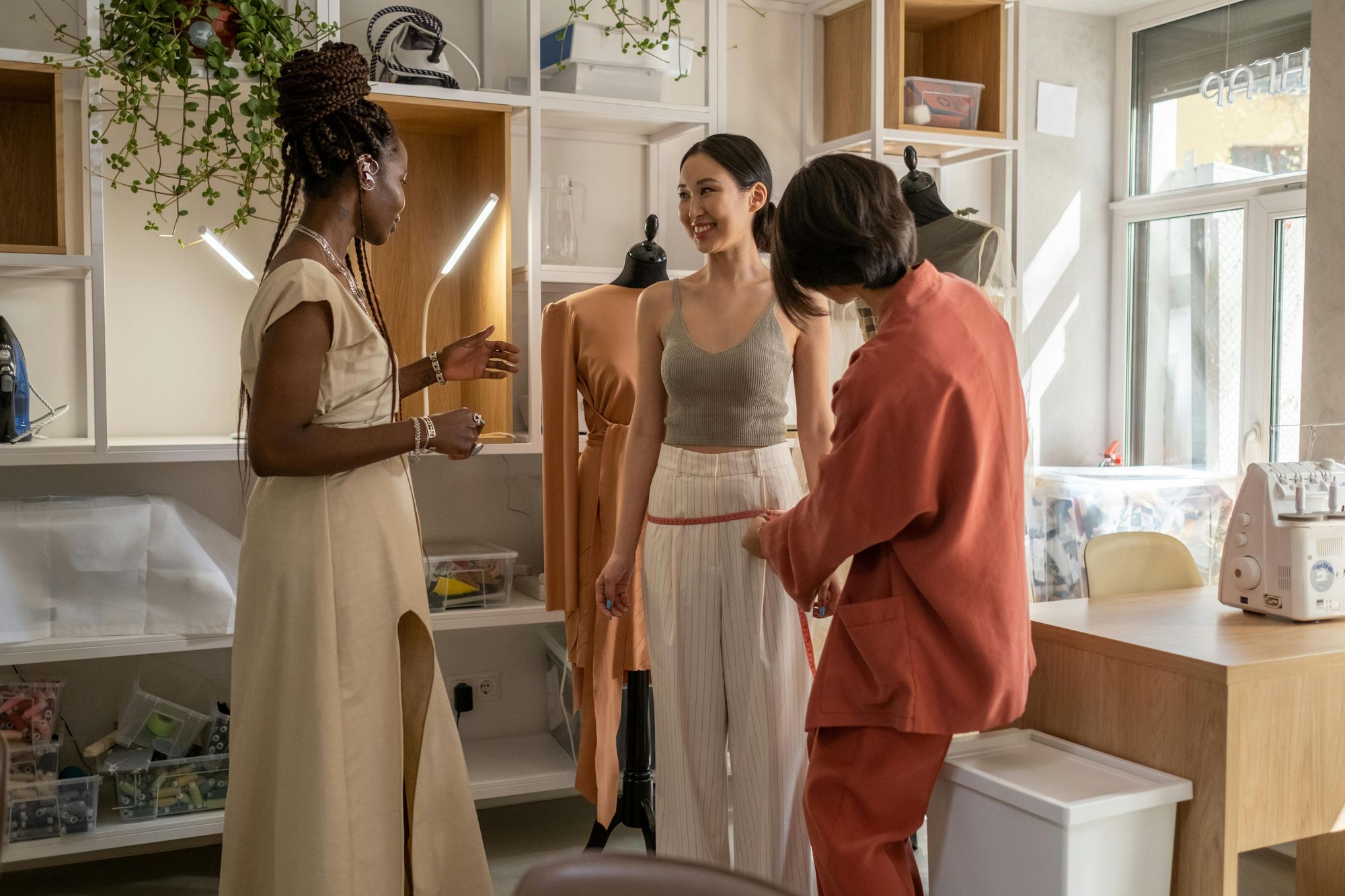
A well-cut blazer, a resolved trouser line, a dress that relies on proportion rather than decoration — these pieces do not fade into the background. They hold it steady.
In early 2026, women are not dressing to be noticed first. They are dressing to be taken seriously without explanation.
The Decline of Overt Power Dressing
Traditional power dressing relied on exaggeration. It made sense in environments where authority had to be visually claimed.
That context is changing. Women who already hold authority — or are no longer interested in performing for it — are choosing restraint. Logos feel dated. Trend-led pieces age quickly. Excess now reads as effort.
The quieter the garment, the clearer the signal.
Fewer Pieces, Cleaner Decisions
January purchasing patterns show increased investment in fit refinement, tailoring, and repeatable silhouettes. This is not minimalism for its own sake.
It is about reducing cognitive load.
When clothing decisions are resolved, attention is freed for work, relationships, and long-term thinking. Quiet tailoring supports this by removing unnecessary choice without removing impact.
Cost-per-wear still matters. But clarity matters more.
The Hidden Architect Lens
From a Neon Lace perspective, this shift reinforces a core principle: style is infrastructure.
A wardrobe does not need constant reinvention to remain relevant. It needs coherence. Precision. Fewer pieces that earn their place repeatedly.
Quiet tailoring is not about disappearing. It is about alignment — between who a woman is and how she moves through the world.
What This Shift Signals
Early 2026 is a moment of consolidation. Statement dressing thrives in periods of visibility-seeking. Quiet tailoring belongs to periods of self-possession.
The women setting the tone for this year are not asking what will stand out next.
They are choosing what will hold.