
Urban Wellness: When Cities Started Teaching People How to Rest
Urban wellness is becoming part of city life, not an escape from it. Quiet, accessible spaces are reshaping how rest fits into ambition and daily rhythm.
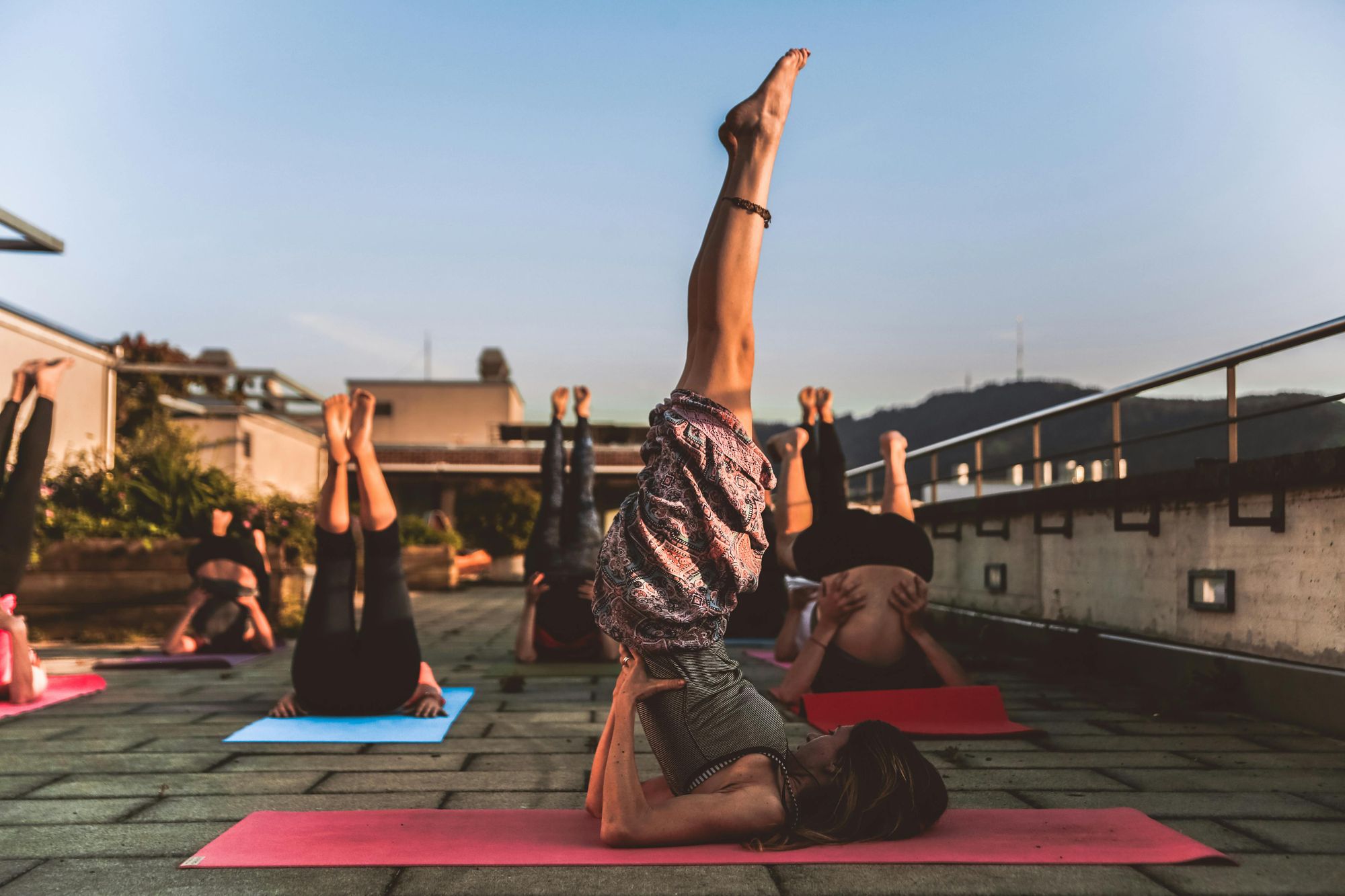
Urban wellness did not arrive with spectacle. It appeared in small, almost incidental ways: a cold plunge studio tucked between a bakery and a nail bar, a communal sauna filling steadily on a weekday evening, a dimly lit breathwork room operating above a café in a part of town better known for finance than stillness. None of it announced transformation. It simply made recovery available inside the places where ambition already lives.
For years, rest was framed as something that required distance. A countryside retreat, a weekend away, a deliberate escape from the noise of the city. The new iteration feels different. Instead of leaving, people step sideways. A sauna between meetings. A sound bath after school pick-up. Forty minutes of heat and quiet before heading home. The interruption is brief but intentional, and because it fits inside daily life, it changes the rhythm of that life rather than disrupting it.
What stands out inside these spaces is the restraint. People sit together without performing closeness. There is very little conversation. Towels are folded neatly; phones stay face down; no one appears eager to narrate the experience. The atmosphere feels shared but private at the same time. In a culture that has grown comfortable with public vulnerability, this quieter model of togetherness feels deliberate. It allows restoration without requiring disclosure.
Cities create their own form of fatigue. The density of decisions, the background noise, the expectation of responsiveness at all hours. Urban wellness does not attempt to neutralise that environment. It responds directly to it. The lighting is softer. The materials are warmer. The pacing slows, but only just enough to recalibrate rather than detach. There is no promise of reinvention. The emphasis is on maintenance, on sustaining energy long enough to continue.
The shift becomes most visible in how these spaces are treated over time. They are not positioned as indulgences or rare experiences; they become habitual. People return weekly, sometimes daily, folding recovery into routine the same way previous generations folded gyms or cafés into their schedules. The novelty fades, and in its place sits something steadier. Rest becomes infrastructure rather than reward.
That may be the quietest change of all. When recovery is built into the city itself, ambition does not have to argue with it. The pace adjusts almost imperceptibly. The edge softens without disappearing. And once that rhythm settles into place, it begins to feel less like a trend and more like part of how the city works.