
The Average Business Trip Is Now 1.5 Days Longer and Professional Women Are Demonstrably Driving This Shift
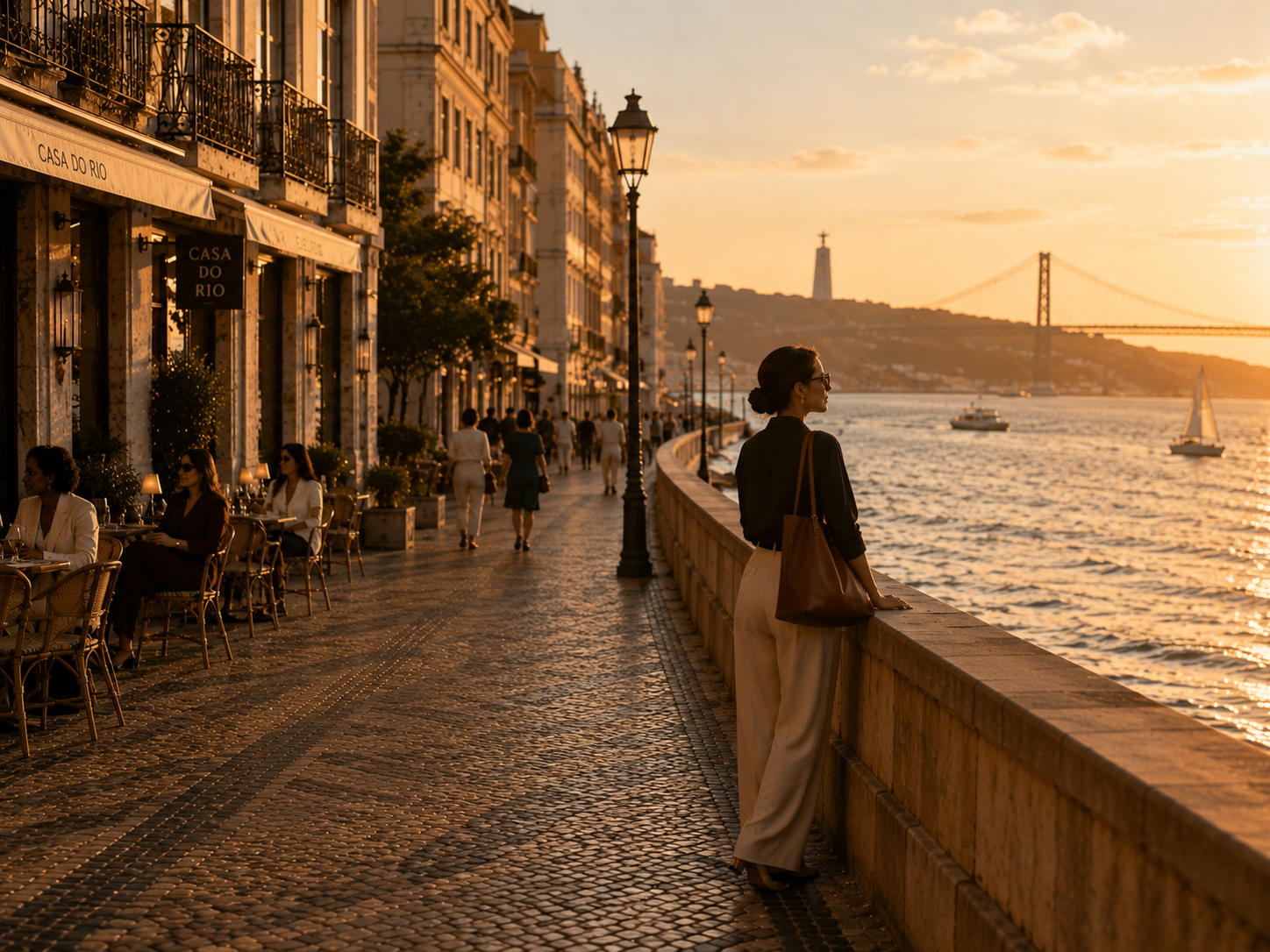
The Global Business Travel Association confirmed it in their 2026 forecast: the average business trip is now roughly 1.5 days longer than its pre-pandemic equivalent. The statistic itself is notable and what is even more notable is the demographic driving the structural change:, professional women with sufficient control over their schedules. They are extending work trips into personal stays at a rate that has moved bleisure travel from an emerging pattern into standard mobility architecture.
A bleisure trip is a work trip with a few extra days added on for yourself.
This extension is a smart way to cut down on travel hassles. Imagine a two-day client meeting in Lisbon turning into a four-day getaway, adding a full weekend day to wander the city freely. You’re finally trying that restaurant you’ve been eyeing for over a year, and catching a Monday morning flight home instead of rushing Sunday night. The cost? Pretty much the same. You don’t have to juggle planning a separate personal trip. Suddenly, the time spent travelling feels much more worthwhile.
The women pulling this off best are the ones who manage their own schedules or work where flexibility isn’t something you ask for but just is. Think founders, senior pros, or women on global teams where showing up matters more than matching time zones. Not everyone gets this chance, but when they do, they use it intentionally and often.
The Timing Window
From June to September, European spots like Portugal, Sardinia, Sicily, Mallorca, and the Greek islands become the go-to for these short bleisure breaks. These places are beautiful, and also business-friendly with solid internet and all the comforts that make mixing work and downtime feel natural. Plus, the warm weather and water make it easy to justify sticking around longer without having to fight for it.
What’s different now is that ,the whole trip is planned with the extension in mind from the start. The client meeting is booked knowing there’ll be extra time, the hotel is chosen to fit both work and play, and packing is streamlined. The effort to get ready covers both business and personal goals all at once.
The Infrastructure Shift
More and more, hospitality operators are catching on to this clear trend. Places that can smoothly switch gears from a focused Tuesday morning work vibe, to a relaxed Saturday afternoon hangout without making guests feel like they have to check into a new role; are pulling ahead. Think of a boutique hotel with speedy, dependable Wi-Fi and workspace, a bar that’s lively after 8 pm, and a location that’s close to both business hubs and spots worth wandering to without a plan. Those spots can be resorts built purely for leisure or hotels designed only for meetings.
The hotels winning over this crowd get that guests aren’t just doing one thing during their stay. They don’t want to be asked if their trip is business or pleasure;signalling they’re doing both, and the smartest places show they get it by never making the guest explain themselves.
Strategic Moves
The professional women leading this shift are getting smart about their travel habits. If they have a speaking gig in Barcelona that used to mean flying back the same day, they now look to stay longer. A quarterly meeting in Paris that fell on a Thursday might be bumped to Wednesday, creating a clean weekend without extra flight costs. The out-of-office email reflects this, signallingwere the longer stay isn’t an accident; it’s part of the plan.
Now, this shift is actively making travel work smarter. The trips are happening anyway, and the costs are there regardless. Stretching the stay turns wasted travel time into real moments lived, all without the hassle of planning another trip. For women juggling big roles and busy lives with little breathing room, the logic here is crystal clear.
The business trip has absorbed the short break. What were, two separate trips requiring two separate decision cycles is now one trip serving two functions and the women who saw the structural opportunity first are now setting the trend. The data is now confirming this.