
Skipping August Is Becoming the New Status Marker for Mediterranean Travel
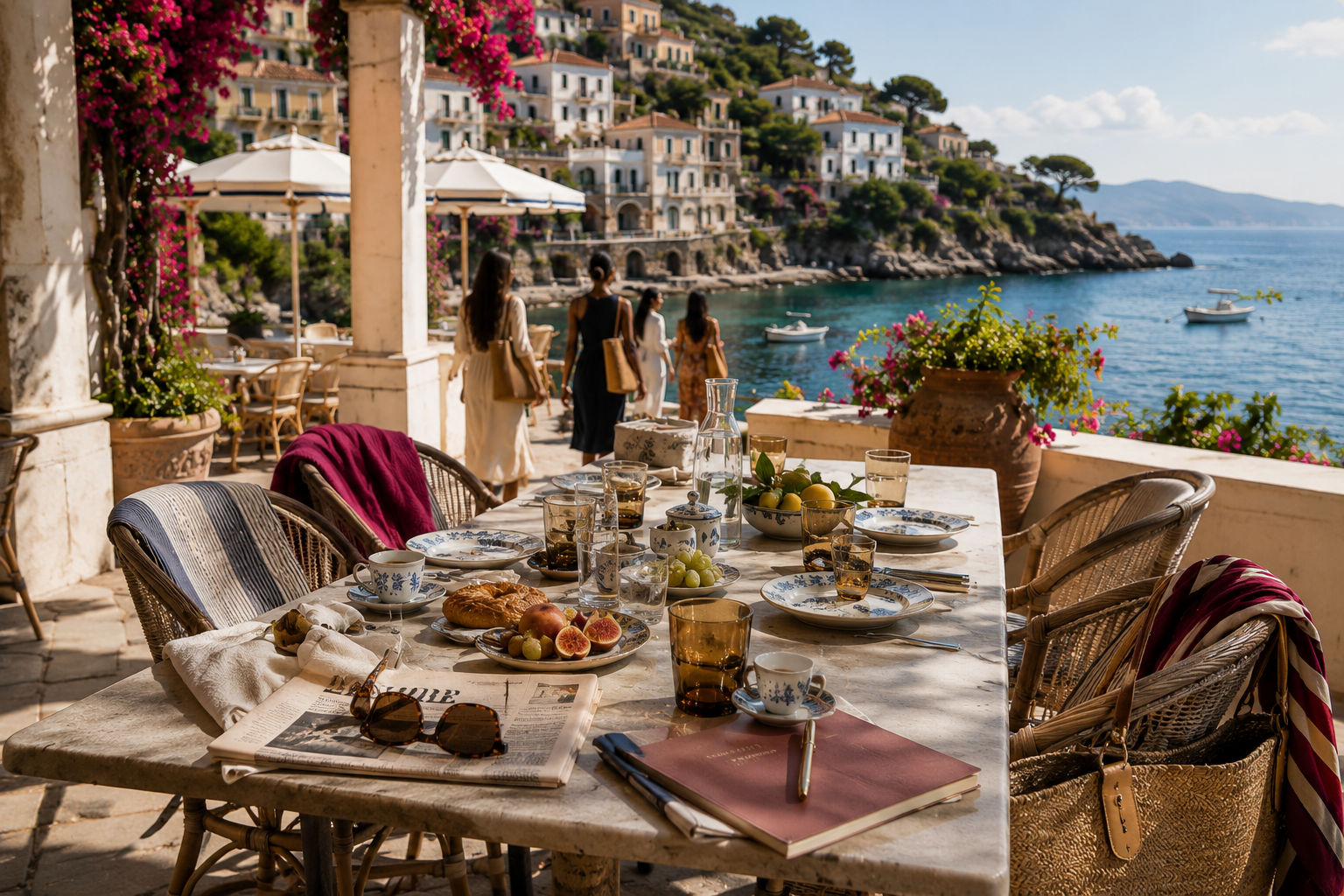
Sardinia is up 63 percent in demand this year. The Amalfi Coast has risen 54.8 percent. Both are now booked to capacity through July and August, at the highest prices of the year, requiring the longest lead times of any season. The obvious response is to travel when it is quieter. The sharper read is who actually can.
The Crowd Argument Is Not the Real Argument
Everyone already knows August is crowded. That has not stopped anyone from going, because for most travellers August is not a choice, it is the only window school terms and standard leave allowances permit. Advising her to "go in October instead" as a comfort upgrade misses what that timing actually requires: a schedule with no institutional calendar dictating it.
What Locks Most People Into August
School holidays fix family travel to six or seven weeks a year, the same weeks everyone else has. Standard employment fixes leave to whatever is approved and whenever it clears. Both constraints land in the same window, which is precisely why that window is the one now requiring QR-code entry systems and access fees to manage.
What Moving the Trip Actually Signals
A traveller who books Sardinia for late September, or Venice for October, is demonstrating something more specific than good taste in timing. She is showing she answers to no fixed calendar, no school terms, no leave approval queue. The trip itself becomes evidence of autonomy over her own schedule, which is a different kind of signal than a nice hotel ever was.
Why This Reads Differently Now Than It Used To
Shoulder season travel used to read as retirees and remote workers, a slightly downmarket alternative to the "real" summer trip. The volume shift now moving affluent US travellers deliberately toward late spring and early autumn changes that association. The same trip is starting to read as a marker of professional seniority and control, not a consolation prize for missing peak season.
Strategic Read: The Booking Date Is the Status Signal
The property, the region, the price point can all stay identical to what she would have booked in August. What changes is what the booking date itself now communicates to anyone paying attention: not simply that she avoided the crowds, but that nothing in her working life required her to be anywhere specific in August at all.
The Point Is Not the Weather
The weather in October is still good and the towns are still beautiful. The ability to move a trip off the calendar everyone else is locked into, has quietly become one of the clearest signals of how much control she actually has over her own time.