
Every Airline Suddenly Wants Its Own Version of the Amex Play
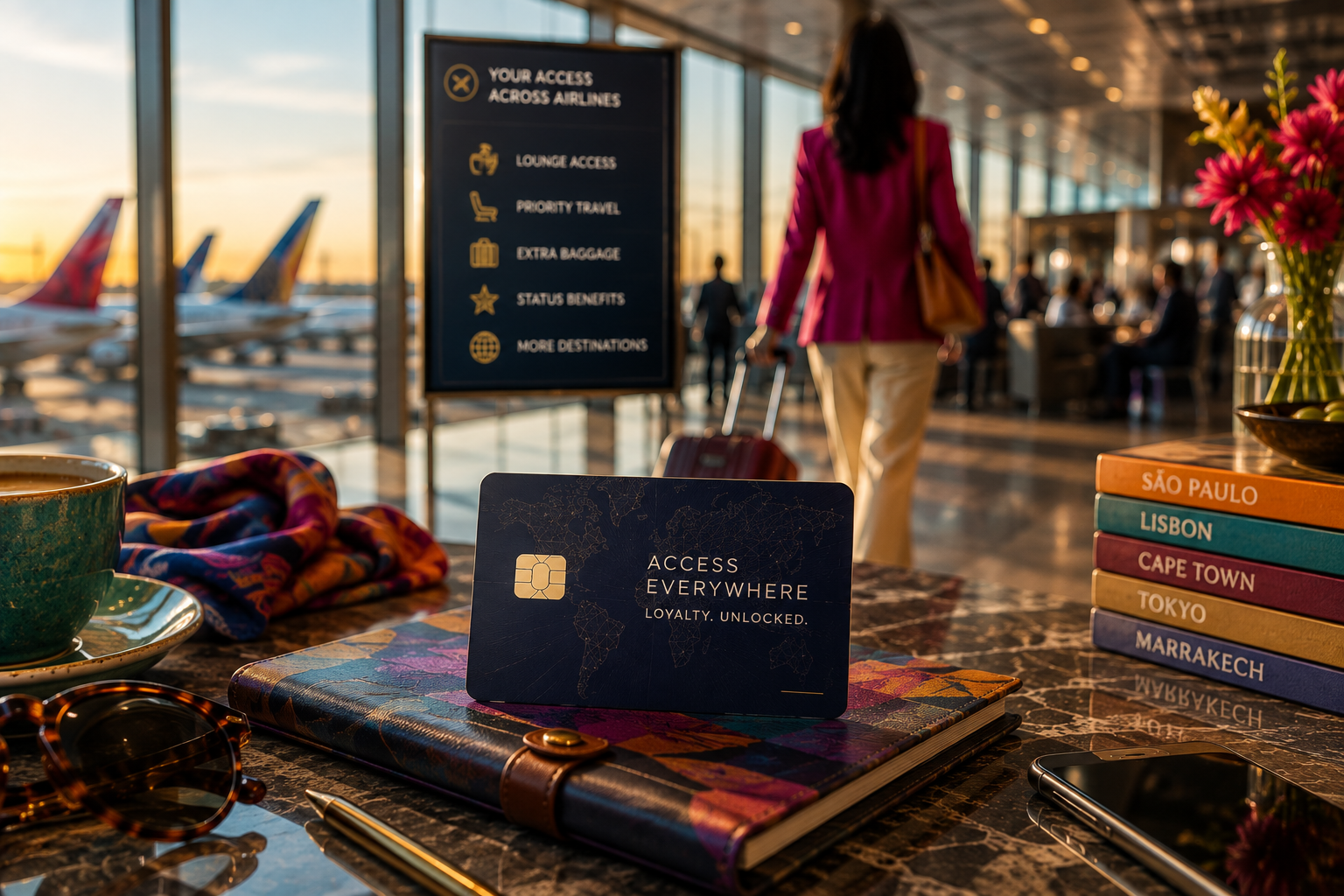
Southwest confirmed in July that it will open its first airport lounges, co-branded with Chase, on an airline that spent forty years selling the absence of exactly this kind of extra. Delta built the template years earlier with American Express. American is now the third carrier moving the same direction, restructuring its premium card around guaranteed Admirals Club access rather than mileage alone. Three carriers, three different starting positions, the same mechanism.
The template everyone is now copying
Delta built its Sky Club expansion around American Express years before this became a trend rather than one carrier's differentiator, and Amex's own Centurion network grew alongside it into the reference point every other airline gets measured against. Southwest's own team described its move in almost identical language, framing the lounges as a way to "expand the co-brand offering and opportunities," not as a service upgrade for its own sake. That phrasing matters, because it names the actual product being sold. The lounge is the visible part. The card partnership underneath it is the part generating the recurring revenue every airline in this pattern is actually chasing.
American's version confirms the same logic from a different angle. Its highest-tier co-branded card ties Admirals Club membership directly to the card itself rather than to flight volume, arriving alongside record card acquisitions and enrollment growth through the first half of 2026. The card is no longer a companion to the loyalty program. It has become the fastest route into the loyalty program's best benefits.
Why a budget carrier joining changes the category
A premium carrier deepening its card partnership is expected. A no-frills carrier building one from nothing is a different signal, that the model itself has stopped being a premium differentiator and become the default shape of how any airline, regardless of position, now plans to compete for a flyer's spend. Southwest spent decades building a brand around open seating and no assigned status tiers. Watching that specific airline reach for a Centurion-style card partnership is a clearer confirmation of an industry default than watching a fourth premium carrier do the same thing would ever be.
What this means for how someone actually travels
The practical shift is not which airline someone flies most. It is which card she is already carrying when she books, because that card increasingly decides which lounge, which upgrade path, and which airline's version of status she can reach without switching loyalty at all. Three carriers converging on the same mechanism inside one year means the card in her wallet now matters more to how she moves through an airport than which airline's name is on the ticket. Planning a year of travel across more than one carrier used to mean tracking several separate loyalty ladders. It increasingly means tracking one card relationship that happens to work across more of them than it used to.
The trade sits underneath the convenience. Guaranteed access through a card replaces contingent access earned through flying, and that shift favors whoever can pay over whoever actually flies. United confirmed the mechanics of that trade directly: starting April 2026, flyers without its co-branded card earn half the miles per dollar spent on the same flight as flyers who carry it. A flyer who logged tens of thousands of miles a year can find herself standing behind a cardholder who has never flown that airline at all. The model is being marketed as a benefit. It reads more like a cost that used to be invisible becoming a line item she now has to plan for.
The read worth carrying forward
A single carrier building a premium card partnership was a story about that carrier. Three of them doing it inside the same year is a story about the category, and it means the next airline to announce one will not be setting a trend. It will be catching up to a standard Southwest just confirmed it could not afford to sit out. The airlines that resist the pattern longest are worth watching too, since staying out of it will soon read less like restraint and more like a carrier with nothing comparable to offer.